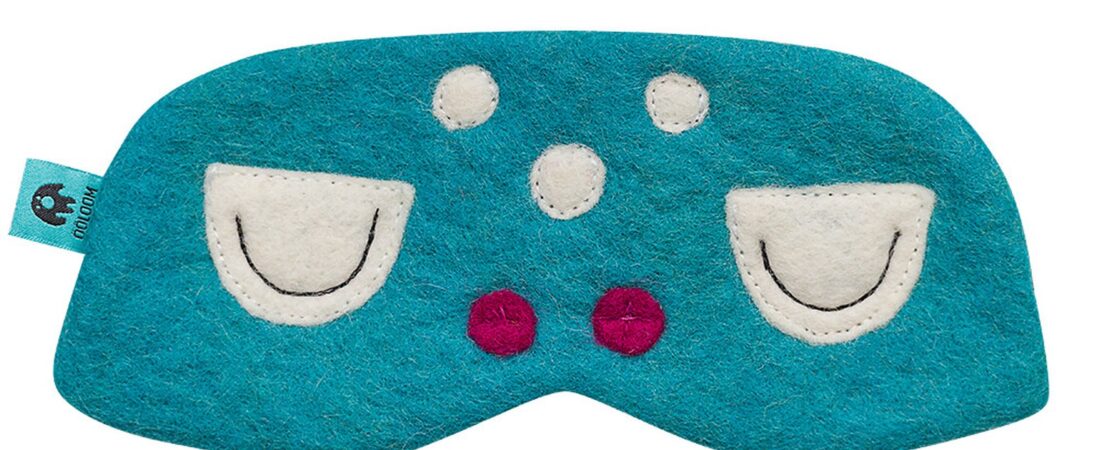
Research scope: in-ear precision vs headband comfort
This page compares two product formats for side sleepers: low-profile sleep earbuds and Bluetooth headband or mask-style headphones. The decision is organized around pressure at the pillow, fit stability, sound leakage, alarm behavior, battery routine, heat, washable parts, and whether the buyer needs masking audio or private listening.
Public buyer discussions help identify repeated fit problems but are not clinical sleep or hearing evidence. Check current manufacturer specifications and keep volume at a responsible level. Continue with the sleep-tech buyer-signal report, the sleep-tech library, or our methodology.
Direct answer: Low-profile sleep earbuds provide more precise in-ear audio but can create pillow pressure. A Bluetooth sleep mask or soft headband with flat speakers avoids in-ear pressure but may shift, trap heat, or place a speaker against the ear. Side sleepers should choose based on the pressure point they tolerate, not audio specifications alone.
In this guide, headband headphones includes Bluetooth sleep masks with flat speakers. That wording distinguishes the product from an ordinary eye mask and makes the comparison easier to understand.
The search query sleep earbuds vs Bluetooth sleep mask usually comes from a buyer who has not committed to a product type. They want sleep audio, noise masking, or a calmer bedtime routine, but they are still unsure whether an in-ear device is worth the comfort risk.
That makes this comparison valuable for sleep tech brands. It captures buyers earlier than a product-specific keyword and lets the brand explain fit, comfort, battery life, and use cases before the buyer leaves for a forum or review thread.
Sleep earbuds are better when precision matters
Sleep earbuds make sense when the buyer wants more direct audio control. They can be useful for masking a snoring partner, listening to sleep sounds, using a private alarm, or keeping sound close to the ear without filling the room.
The tradeoff is physical comfort. Side sleepers care about how far the earbud sticks out, whether it creates pressure against the pillow, and whether long wear causes irritation. A buyer may accept a higher price if the product clearly solves those concerns, but vague comfort claims are not enough.
Good SEO content should cover real decision points: low-profile design, ear tip options, battery duration, alarm behavior, Bluetooth stability, and cleaning. These topics support long-tail searches such as “sleep earbuds for side sleepers that do not hurt” and “sleep earbuds with alarm for side sleepers.”
Bluetooth sleep masks are better when pressure is the enemy
A Bluetooth sleep mask usually avoids the biggest problem with in-ear sleep audio: pressure inside the ear. The speakers sit near the ear instead of inside it, which can feel easier for buyers who dislike earbuds or have sensitive ears.
The tradeoff is precision. A mask may shift during sleep, feel warm, block the eyes in a way some buyers dislike, or leak more sound than expected. It may also be less effective for buyers who need strong masking against nearby noise.
For brands selling masks, the best content should not only say “comfortable.” It should explain speaker position, washability, battery removal, fabric feel, fit for different head sizes, and whether the mask works for stomach sleepers or side sleepers.
The real question is not which product is better
Most buyers are not asking for a universal winner. They are asking which product fits their sleep problem. A side sleeper trying to mask partner snoring has different needs from someone who wants meditation audio. A buyer with ear irritation has different needs from someone who wants a private alarm.
This is why comparison pages often outperform narrow product pages for early-stage search traffic. They organize the decision instead of pushing one answer too soon.
| Buyer situation | Better starting point | Reason |
|---|---|---|
| Ear pressure or sensitive ears | Bluetooth sleep mask | No in-ear pressure during side sleeping |
| Private alarm or direct audio | Sleep earbuds | More controlled sound near the ear |
| Snoring partner | Depends on volume and leakage | The buyer needs masking without unsafe loudness |
| Hot sleeper | Sleep earbuds | A mask may feel too warm |
| Simple bedtime routine | Bluetooth sleep mask | Fewer fit variables than in-ear devices |
How brands can use this keyword
A strong “sleep earbuds vs Bluetooth sleep mask” page should be honest. It should tell buyers when each option is better, when neither is ideal, and which objections matter most. That honesty creates trust and can still lead to product sales.
For SEO, the page can target short-tail and long-tail demand at the same time: sleep earbuds, Bluetooth sleep mask, sleep headphones for side sleepers, best sleep audio for snoring, and comfortable sleep headphones. The content should also link to product pages, FAQs, and proof sections.
Buyer Voice Lab’s Sleep Tech Market Analysis found that buyers repeatedly compare device formats before trusting a sleep audio product. Brands that answer that comparison clearly can capture demand before the buyer reaches a random thread and makes the decision without them.