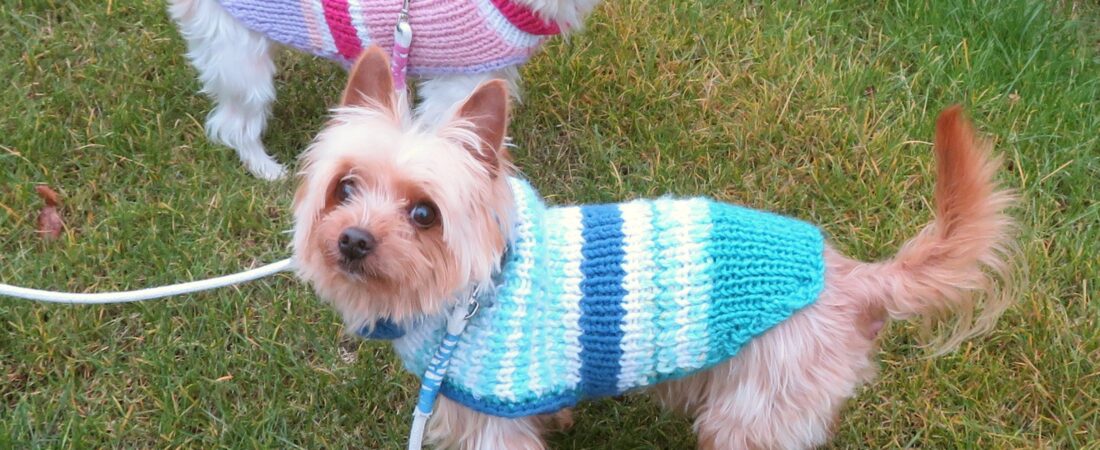
Dog clothes look simple until the size chart fails. A sweater that fits one dog may slide, pinch, twist, or leave the belly exposed on another. The best choice starts with your dog’s shape, not the product photo.
Measure the dog you have, not the breed on the chart
Most dog clothing problems start with three measurements: neck, chest girth, and back length. Chest girth is often the most important because it controls whether a coat or sweater can close without squeezing. Back length matters for coverage, especially for long-bodied dogs. Neck measurement matters when the collar opening is narrow or the garment has a hood.
Breed labels can help, but they are not enough. Two dogs from the same breed can carry weight differently. A corgi, dachshund, greyhound, bulldog, or deep-chested mixed breed may need a different shape even when the weight range looks correct.
Fit problems buyers mention most often
| Problem | What to check before buying | Best-fit clue |
|---|---|---|
| Too tight around the chest | Chest girth, stretch, closure style, and whether the brand lists garment measurements. | Choose adjustable closures or a size chart that separates chest from back length. |
| Too short for long-bodied dogs | Back length from neck base to tail base. | Look for dachshund, corgi, or long-body sizing notes. |
| Leg openings rub or restrict movement | Armhole size, fabric stiffness, and shoulder range. | The dog should walk, sit, and lie down without changing gait. |
| Belly coverage causes bathroom problems | Cutout shape and garment length underneath. | Check underside photos, not only front-facing product images. |
| Fabric looks cute but feels wrong | Stretch, weight, lining, seams, and weather use. | Warmth and comfort should match the dog’s coat type and climate. |
Decide what the clothing is for
Not every dog needs clothes for the same reason. Some buyers want warmth. Some want rain protection. Some want visibility on walks. Others want holiday photos. A thick sweater may be good for a short-haired dog in cold weather, but it can be too warm indoors. A raincoat may solve wet walks but feel stiff if the dog hates sleeves.
When the use case is clear, tradeoffs become easier. Warmth needs coverage and insulation. Rain protection needs water resistance and belly clearance. Photo outfits need comfort for short periods, not all-day wear. Senior dogs may need easy closures more than style.
What a good product page should show
For shoppers, the safest product pages show more than a cute dog photo. They show a measurement diagram, garment dimensions, side and underside photos, fabric notes, return rules, and examples on different body shapes. If a brand says the sweater fits corgis or dachshunds, it should show why.
This is also where Reddit-style discussion helps. Public pet owner threads reveal the questions buyers ask after bad purchases: Was the chest too tight? Did the back run short? Did the coat twist? Could the dog pee comfortably? Was the size chart based on the garment or the dog?
Quick checklist before checkout
- Measure neck, chest girth, and back length while the dog is standing.
- Compare actual measurements to the garment chart, not only weight range.
- Check whether the garment is adjustable around the chest.
- Look for underside photos if the dog is male or has a long body.
- Choose fabric based on weather and activity, not only appearance.
- Prefer brands with clear return or exchange rules when the dog is between sizes.
Buyer Voice Lab’s Pet Apparel Fit Complaints report shows how repeated public discussions can become a practical sizing checklist for buyers and a product-page improvement map for brands.