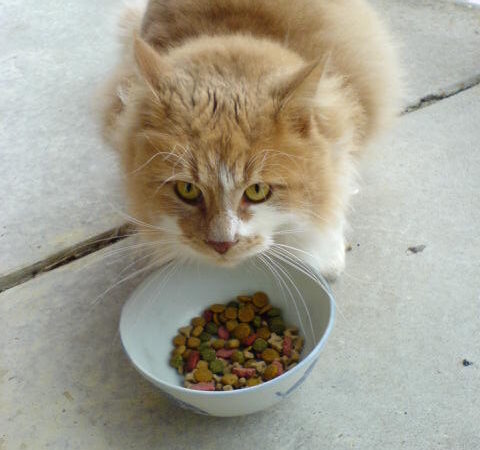
Short answer: the best cat food for a picky cat is not always the most expensive food. It is a complete and balanced food your cat will actually eat, that fits your budget, your cat’s life stage, and your feeding routine. For many owners, the winning setup is a practical mix: one reliable dry food, one or two wet foods the cat accepts, and a slow testing process that avoids wasting a whole case of rejected cans.
Public Reddit discussions around picky cats, budget wet food, Purina, Fancy Feast, Tiki Cat, Weruva, Sheba, and Royal Canin show the same buying problem again and again: owners want to feed better food, but the cat has the final vote. A food can look excellent on paper and still fail if the texture, smell, temperature, or routine is wrong.
Start with the label, not the brand war
Before comparing brands, check whether the food is complete and balanced for your cat’s life stage. The FDA explains that a food with a complete and balanced statement is intended to be fed as a pet’s sole diet. AAFCO also tells consumers to choose food labeled for the pet’s species, life stage, and condition.
That matters because many picky-cat conversations mix together complete foods, toppers, treats, broths, tube treats, and supplemental products. Those can help with appetite, but they are not all designed to carry the whole diet.
| Buyer question | What to check first | Why it matters |
|---|---|---|
| My cat only eats one food. | Is it complete and balanced? | A favorite topper is not the same as a daily diet. |
| Should I buy a premium wet food? | Can you buy singles or a small variety pack? | Picky cats can turn a full case into wasted money. |
| Dry or wet? | Water intake, calories, dental routine, and budget. | Cornell notes dry food is much lower in moisture than canned food. |
| Is budget cat food okay? | Life stage statement, calories, protein source, and cat response. | A stable affordable food may be better than constant switching. |
Why picky cats reject food
Picky eating can be preference, but it can also be routine, stress, dental discomfort, nausea, or illness. VCA warns that some cats who seem picky may have a medical reason for refusing food. If your cat suddenly stops eating, loses weight, vomits repeatedly, hides, drools, or refuses food for a concerning period, do not treat it as a shopping problem.
If your cat is otherwise healthy and just selective, test the variables one at a time:
- Texture: pate, shredded, minced, gravy, chunks, mousse.
- Temperature: room temperature or slightly warmed wet food may smell stronger.
- Serving size: small portions can reduce waste and prevent food drying out.
- Bowl location: some cats dislike eating near litter boxes, noisy appliances, or other pets.
- Routine: switching foods every day can create confusion for some cats.
- Toppers: useful, but do not let treats replace balanced meals.
What Reddit buyers keep repeating
Recent Reddit cat-food threads show three useful patterns. First, budget pressure is real. Owners ask for affordable wet food because feeding multiple cats can become expensive quickly. Second, picky cats often prefer ordinary supermarket foods over premium brands. Third, many owners use a rotation: a reliable dry food, a budget wet food, and a few higher-priced cans for variety.
That does not mean every Reddit recommendation is nutritionally equal. It means buyer behavior is practical. People are trying to avoid waste, keep cats eating, and choose something they can keep buying for months.
A practical testing plan
Do not buy the biggest box first. Build a small test set instead.
- Choose three complete wet foods in different textures.
- Choose one dependable dry food that fits the cat’s life stage.
- Offer tiny portions of wet food so rejection does not waste a whole can.
- Keep the dry food steady while testing wet textures.
- Track what the cat eats for at least a week.
- Keep two reliable options in rotation so one supply issue does not cause a crisis.
For a very picky cat, the goal is not a perfect 20-brand rotation. The goal is a short list of foods you can buy consistently and your cat will eat without stress.
Wet food, dry food, or mixed feeding?
Mixed feeding is common because it balances moisture, convenience, cost, and appetite. Cornell explains that dry food contains far less water than canned food, so wet food can help increase dietary moisture. Dry food, however, is cheaper per serving, easier to store, and easier to portion across a workday.
If you feed both, watch calories. The common mistake is adding wet food without reducing dry food. That can slowly create weight gain, especially for indoor cats.
When to stop experimenting
Stop changing foods and ask a veterinarian if your cat is not eating normally, loses weight, has repeated vomiting, has diarrhea, seems painful, or has a known medical condition. Picky-cat guides are useful only after health issues are considered.
If the cat is healthy but selective, use small tests, predictable routines, and patient observation. The best cat food for picky cats is the one that survives real life: your cat eats it, you can afford it, and the label fits the job.
Related reading
- Pet Food Reddit Reviews: Consumer Decision Hub
- Is Fancy Feast Good for Cats as a Daily Wet Food?
- Best Tiki Cat Alternatives
- Tiki Cat vs Weruva