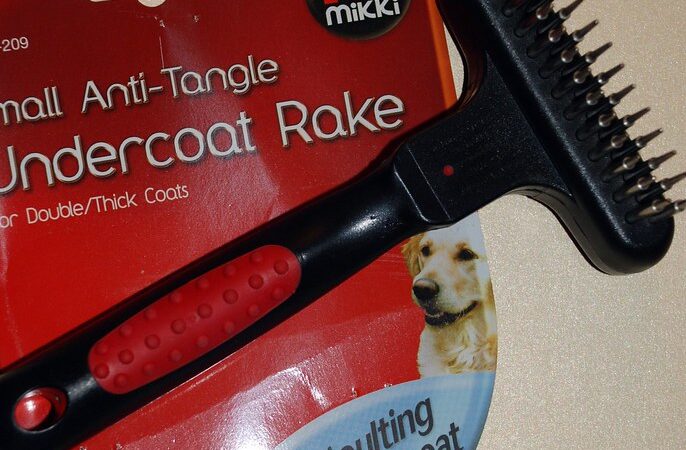
Short answer: a slicker brush is usually better for tangles, loose undercoat, and fluffier coats, while a deshedding tool is more specialized and easier to overuse. For many dogs, the safest home routine is not one aggressive tool. It is a coat-appropriate brush, a metal comb to check your work, gentle pressure, and regular brushing before mats become painful.
Dog owners often search for a deshedding tool after hair starts collecting on couches, carpets, car seats, and clothing. Reddit grooming discussions show the same frustration: the hair seems endless, and every product claims to be the answer. The better question is not “Which tool removes the most hair in one session?” It is: which tool removes loose coat without irritating skin or damaging the coat?
Match the tool to the coat
VCA notes that all dogs benefit from regular brushing because it removes loose hair and dead skin cells, keeps the coat cleaner, and distributes natural oils. But coat type changes the tool choice.
| Coat situation | Tool to consider first | Why |
|---|---|---|
| Smooth short coat | Rubber curry brush or bristle brush | Often enough for loose hair without scratching skin. |
| Short dense coat | Slicker brush plus comb | Helps catch loose hair and check for tangles. |
| Long, curly, or silky coat | Slicker brush and metal comb | More useful for preventing tangles and mats. |
| Heavy seasonal shedding | Bath, dry, brush, then careful deshedding | Loose coat often releases better after proper bathing and drying. |
| Existing mats | Professional groomer or vet | ASPCA warns not to cut mats out with scissors. |
What a slicker brush does well
A slicker brush has fine wire pins. It can separate hair, catch loose undercoat, and help prevent tangles before they become mats. It is common in grooming routines for dogs with medium, long, curly, or dense coats.
The risk is pressure. A slicker brush is not a rake for scraping the skin. If your dog’s skin looks red, the dog flinches, or the brush leaves irritation, you are pressing too hard or using the wrong tool. A good rule is to brush lightly and then use a metal comb to check whether tangles remain.
What a deshedding tool does well
Deshedding tools can remove a lot of loose coat quickly, which is why they are popular. But they can also encourage overbrushing. Some tools have edges or teeth that may be too aggressive for certain coats, especially if the dog is damp, the skin is sensitive, or the owner keeps going because hair keeps coming out.
Reddit grooming discussions often warn that the wrong tool or too much pressure can create skin irritation or coat damage. That does not mean every deshedding tool is bad. It means the tool should be used sparingly, on the right coat, and with careful pressure.
The comb test most buyers forget
After brushing, run a metal comb through the coat. If the comb catches, there are still tangles. If it glides through, the coat is closer to cleanly brushed. This matters for fluffy dogs because the top layer can look neat while the undercoat remains packed.
For long-coated dogs, line brushing may be more effective than brushing only the surface. Work in small sections, part the coat, brush gently from the ends toward the base, and keep checking with the comb.
Do not cut mats with scissors
This is one of the most important safety points. ASPCA warns that if a mat cannot be easily brushed out, the pet should see a groomer or veterinarian, and mats should not be cut out with scissors. Mats can sit close to the skin, and a moving dog can be injured quickly.
If the coat is already matted, a stronger brush is not the answer. A painful grooming session can make the dog fight brushing next time. It is better to get help, reset the coat, and then maintain it with a realistic routine.
Which should you buy first?
If you only buy one tool, choose based on the coat:
- Short smooth coat: rubber curry brush or grooming glove.
- Short dense shedding coat: slicker brush, bristle brush, or curry brush depending on sensitivity.
- Long or curly coat: slicker brush plus metal comb.
- Double coat with seasonal shedding: slicker brush, comb, and occasional careful deshedding.
- Matted coat: professional help before buying more tools.
Buyer checklist
- Check your dog’s coat type before buying a brush.
- Choose rounded or comfortable pins when possible.
- Brush gently; more pressure is not better.
- Do not deshed wet or damp coat aggressively.
- Use a comb to check whether tangles remain.
- Stop if the skin looks red or the dog shows pain.
- See a groomer for mats, packed undercoat, or dogs that fight brushing.
Related reading
- Best Pet Hair Remover for Couch and Car Seats
- How to Remove Embedded Pet Hair from Upholstery
- How to Choose Dog Clothes That Actually Fit
- Air Purifier for Pets: What to Check Before Buying