Research scope: deciding whether a wearable can be the primary pump
This guide focuses on one decision: whether a wearable pump reliably fits your main pumping schedule. It evaluates practical purchase checks such as flange fit, repeatable output, suction consistency, cleaning time, charging, milk storage, and access to a stronger backup pump. For a category-level comparison, read wearable vs portable electric pumps for work.
Public experiences can reveal questions worth testing but cannot predict milk supply or a medical outcome. Pumping pain, injury, persistent output changes, or feeding concerns should be discussed with a qualified lactation professional or healthcare provider. See the Buyer Voice Lab methodology.
A wearable breast pump can be a lifesaver at work, in the car, during chores, or when you need more privacy than a traditional pump allows. The harder question is whether it can be your main pump. For some parents, yes. For others, a wearable pump works best as a second pump for flexibility, while a wall pump or portable electric pump remains the more dependable option for regular output.
The safest way to decide is not to ask whether wearables are good or bad. Ask whether a specific wearable pump can empty you well, fit your nipple correctly, hold suction consistently, clean easily, and fit your actual pumping schedule.
What people usually hope a wearable pump will solve
Most buyers are not just buying a device. They are buying time. Common reasons include pumping at work without a full setup, pumping while caring for another child, avoiding tubes and bottles, reducing the mental load of pumping, and making short sessions less disruptive.
Those are real benefits. But convenience does not always equal strongest milk removal. If your supply depends on frequent, complete pumping, you should test output carefully before making a wearable your only pump.
When a wearable pump can work as a main pump
A wearable pump is more likely to work as your main pump if your supply is already stable, your flange or insert fit is correct, your output is similar to your current pump, you can sit or move in a way that keeps the pump sealed, and the parts are easy enough to clean several times a day.
It also helps if the pump has replacement parts that are easy to find. Valves, membranes, seals, and cups wear out. A pump that works well in week one can lose performance if small parts stretch or stop sealing properly.
When to keep a stronger pump in the rotation
| Situation | Why to be careful | Better approach |
|---|---|---|
| You are building supply | Milk removal needs to be reliable. | Compare output against your current pump before switching. |
| Output drops with the wearable | Fit, suction, or seal may be off. | Check flange size, parts, and session length. |
| You pump exclusively | Small output differences add up. | Use the wearable strategically, not blindly. |
| You feel nipple pain | Wrong flange fit can cause damage. | Stop and reassess sizing or seek lactation help. |
| You need long workday reliability | Battery and cleaning become daily friction. | Plan parts, storage, and charging before relying on it. |
The fit check matters more than the brand name
Flange fit is one of the biggest reasons pump buyers are disappointed. A wearable pump that looks compact may still need the right insert size. Too large can pull in extra areola and cause rubbing. Too small can pinch and reduce milk flow. Pain, blanching, swelling, or output suddenly dropping are signs to pause and check fit.
If you already read our breast pump flange size guide, use the same approach here: measure, test, and judge by comfort plus output, not by the default parts included in the box.
What to test before you make it your main pump
- Output comparison: test the wearable at the same time of day as your usual pump for several sessions.
- Comfort: there should be no sharp pain, pinching, or nipple trauma.
- Seal: check whether normal movement breaks suction.
- Session length: some users need longer sessions with wearables.
- Cleaning load: count how many parts must be washed, dried, and reassembled.
- Milk storage: think through workday cooling, transport, and labeling.
- Replacement parts: confirm availability before you depend on the pump daily.
Cleaning and storage are part of the purchase
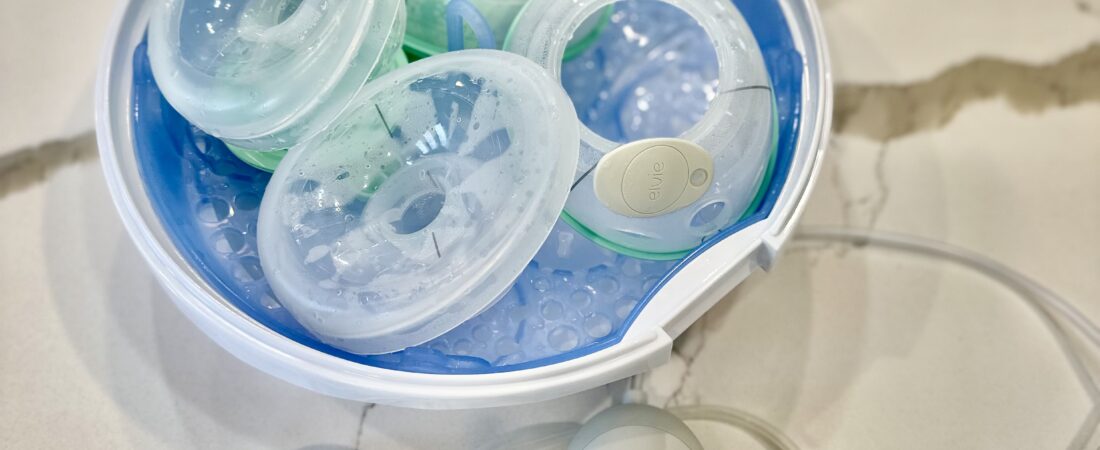
The CDC and FDA both publish breast pump cleaning guidance. Wearable pumps can have more small parts than buyers expect, and milk residue can hide in seals or connectors. If a pump is hard to take apart, hard to dry, or easy to reassemble incorrectly, that affects daily use as much as suction strength.
If you pump away from home, plan a clean bag for used parts, a cooler or refrigerator access for milk, and enough spare parts for your workday. A wearable pump should reduce stress, not add a new cleaning puzzle.
Bottom line
A wearable breast pump can be your main pump if it removes milk well for your body and fits your routine. Do not decide from the product page alone. Compare output, watch comfort, check flange fit, and keep a backup plan until you know it works across normal days, busy days, and tired days.
Related reading
- Wearable Breast Pump vs Portable Electric Pump for Work
- Wearable Breast Pump for Work: What to Check
- Wearable Breast Pump vs Electric Breast Pump
- Breast Pump Flange Size Guide
Sources consulted
- CDC: How to clean and sanitize breast pump kits
- FDA: Cleaning a breast pump
- FDA: Breast pumps
- Featured image: hands-free breast pump photo on Wikimedia Commons, CC0.