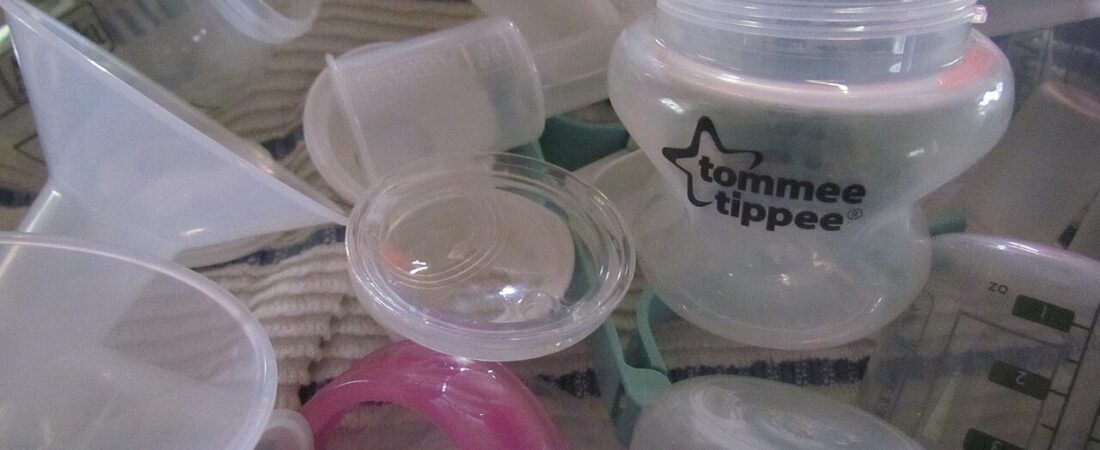
Direct answer: Clean every milk-contact part after use, let parts air-dry completely on a clean surface, and follow the pump maker’s instructions for parts that can be boiled, steamed, or put in a dishwasher.
A pump can be convenient only when the cleaning routine is realistic. Buyers should compare disassembly, drying time, spare-part availability, and guidance for infants who are medically vulnerable.
Search intent: Buyers searching for “how to clean breast pump parts after pumping” usually want a shortlist, trade-offs, and a way to avoid an expensive mismatch.
Quick comparison
| Option | What it does well | Best fit | Watch out for |
|---|---|---|---|
| Milk-contact parts | Wash after each use | Removes residue | Includes flange, valve, bottle, and connectors |
| Air drying | After washing | Reduces trapped moisture | Use a clean rack or towel |
| Tubing and motor | Inspect, do not routinely soak | Protects electronics | Replace if milk or condensation enters |
| Sanitizing | As advised for age and risk | Extra protection when needed | Follow CDC and manufacturer guidance |
Best fit when
- The pump comes apart without tiny hidden crevices.
- You can buy replacement valves, membranes, and bottles.
- The cleaning instructions are clear and compatible with your routine.
Not the best fit when
- Parts cannot be fully inspected or dried.
- The manual is vague about tubing or steam use.
- You expect one pump kit to cover every wash and drying cycle.
Buying checklist
- List every milk-contact component before buying.
- Confirm dishwasher, steam, and boiling instructions.
- Buy enough spare parts for workdays and overnight use.
- Create a clean drying zone separate from food-prep clutter.
Common mistakes
- Reassembling parts while they are still damp.
- Soaking electronics or tubing without manufacturer approval.
- Assuming a quick rinse is the same as washing.
FAQ
Do breast pump parts need to be washed after every use?
CDC guidance generally recommends washing milk-contact parts after each use, with additional sanitizing based on the situation.
Can pump parts go in the dishwasher?
Only if the manufacturer identifies them as dishwasher-safe and gives the correct rack and temperature guidance.
When should tubing be replaced?
Follow the manufacturer’s schedule and replace it if milk, mold, damage, or persistent condensation appears.
Sources and further reading
- CDC: How to clean and sanitize breast pump parts
- FDA: Breast pumps and consumer information
- CDC: Handling and storage of breast milk
Related reading
Buyer Voice Lab uses public buyer discussions as qualitative evidence. Reddit signals are paraphrased; this site is not affiliated with or endorsed by Reddit. Product fit, safety, and compliance should be checked against current manufacturer and regulator guidance.