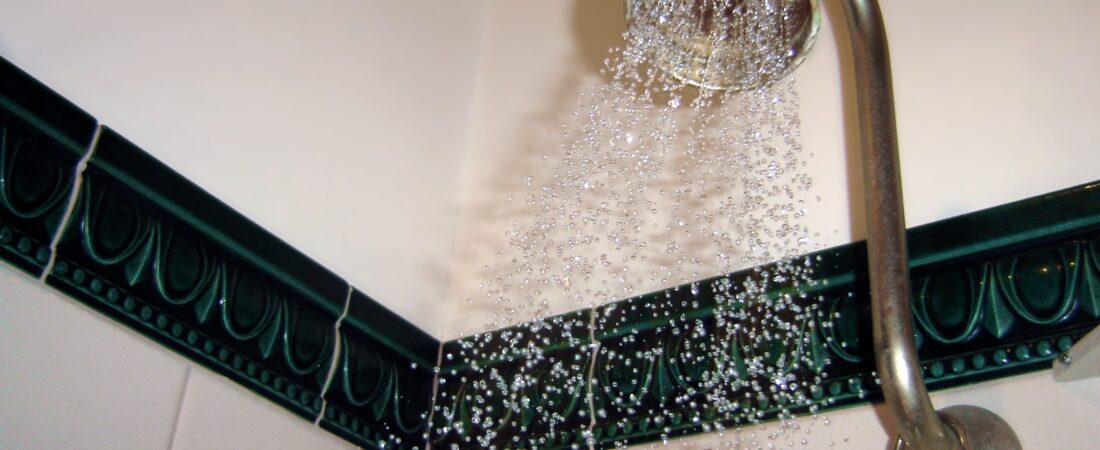
A weak shower is frustrating because it feels like a product problem, a plumbing problem, and a water bill problem all at once. Many shoppers search for the best shower head for low water pressure hoping one part will fix everything. Sometimes it helps. Sometimes the real issue is mineral buildup, an old restrictor, a clogged screen, a shared apartment water line, or expectations set by a shower head that looks powerful but spreads water too widely.
This guide is for buyers who want a better shower without replacing plumbing first. It explains what to check before buying, how to compare spray patterns and flow rates, and when a filtered or handheld model makes more sense than a large rain shower head.

Quick Answer
For most homes with low or uneven shower pressure, look for a shower head with a focused spray pattern, easy-to-clean nozzles, a clearly listed flow rate, and enough settings to adjust coverage without wasting water. A compact handheld shower head can feel stronger than a wide rain head because it concentrates water into a smaller spray area.
If you also have mineral spots, dry-feeling water, or clogged nozzles, a filtered shower head for hard water may be worth considering. Just do not expect a shower filter to solve every water-quality problem. Filters vary widely, and marketing claims should be treated carefully.
Start With The Real Cause Of Low Pressure
Before buying anything, remove the old shower head and inspect the connection, washer, and small inlet screen if it has one. Mineral scale, sand, or debris can reduce flow. If every faucet in the home is weak, the issue may not be the shower head at all. If only the shower is weak, the head or its connection is a more likely place to start.
Apartment renters should also check lease rules before changing fixtures. Many shower heads are easy to swap back before moving out, but some buildings use unusual fittings or have strict maintenance policies.
Flow Rate Matters, But It Is Not The Whole Story
Shower head listings often show flow rate in gallons per minute, or GPM. The U.S. EPA says standard showerheads use 2.5 GPM, while WaterSense labeled showerheads must use no more than 2.0 GPM and meet performance criteria for spray force and coverage.
That means a lower-flow model is not automatically weak. A good design can use less water while still feeling comfortable. What matters is the balance between flow rate, spray coverage, nozzle design, and how the water feels on your skin.
If you are comparing water saving shower heads with good pressure, avoid judging by GPM alone. A 1.8 or 2.0 GPM head with a focused spray may feel better than a wider head that spreads the same water over a large area.
Best Shower Head For Low Water Pressure And Hard Water
If your shower head clogs every few months, hard water may be part of the problem. White scale on the nozzles, uneven spray, and reduced flow are common signs. In that case, the best shower head for low water pressure and hard water is usually one that is easy to clean, has silicone nozzles you can rub with a finger, and does not rely on tiny openings that clog quickly.
A filtered shower head for hard water may help with certain taste, odor, chlorine, or sediment concerns depending on the filter media and certification, but it should not be treated as a guaranteed fix for plumbing pressure. Check what the filter claims to reduce, how often cartridges must be replaced, and whether replacement filters are easy to buy.
Be careful with vague promises like “removes all toxins” or “makes water healthy.” For a buyer, clear specifications are more useful than dramatic claims.
Rain Shower Head Vs Handheld
A rain shower head can look premium, but it is not always the best choice for weak pressure. Rain heads are designed for wide coverage. When water pressure is already limited, that wide spread can feel soft or thin.
A handheld shower head is often more practical for small bathrooms, renters, families, and people who clean tubs or pets in the shower. It can bring water closer to the body, rinse shampoo faster, and make cleaning easier. If you want both comfort and flexibility, a rain shower head and handheld combo can work, but check whether both outlets can run at once and whether that weakens pressure.
For most low-pressure bathrooms, choose handheld first and rain head second unless you already know your plumbing provides strong flow.
What To Check Before Buying
- Flow rate: Look for the listed GPM. WaterSense labeled models use no more than 2.0 GPM.
- Spray pattern: A focused spray often feels stronger than a wide mist.
- Nozzle cleaning: Silicone nozzles are easier to rub clean when mineral scale builds up.
- Handheld hose length: A longer hose is useful for cleaning, children, pets, and seated shower use.
- Filter replacement cost: A cheap filtered shower head can become expensive if cartridges are hard to find.
- Finish and material: Lightweight plastic is common, but the connector and hose should feel stable.
- Installation: Most basic heads install without special tools, but overtightening can damage fittings.
- Return policy: Shower feel is personal. A model that works in one home may feel weak in another.
When A New Shower Head Will Not Fix The Problem
A new shower head may not solve weak pressure if the building has old pipes, a partially closed valve, a failing pressure regulator, or a shared hot-water system that drops during peak hours. If pressure changes dramatically during the day, or if both hot and cold water are weak throughout the home, the issue may need maintenance or a plumber.
Also be careful about removing or modifying flow-control parts in ways that violate local rules or product design. It may increase water use, create leaks, or make the shower less efficient without fixing the underlying issue.
Simple Buying Checklist
Choose a shower head that fits your bathroom, not just the product photo. For low pressure, prioritize a focused spray, easy cleaning, and a clear flow rate. For hard water, prioritize cleanable nozzles and realistic filter claims. For small bathrooms, renters, or families, a filtered shower head with handheld design can be more useful than a large rain head.
If you are upgrading other practical household products, see our Consumer Product Buying Guides. For small home improvement tools, you may also find our cordless drill guide for apartments and light repairs useful.
Sources
- U.S. EPA WaterSense: Showerheads
- U.S. Department of Energy: Reduce Hot Water Use for Energy Savings
- U.S. EPA WaterSense Product Search: WaterSense Labeled Showerheads
- Wikimedia Commons: Showerhead.JPG by DO’Neil, CC BY-SA 3.0 / GFDL
