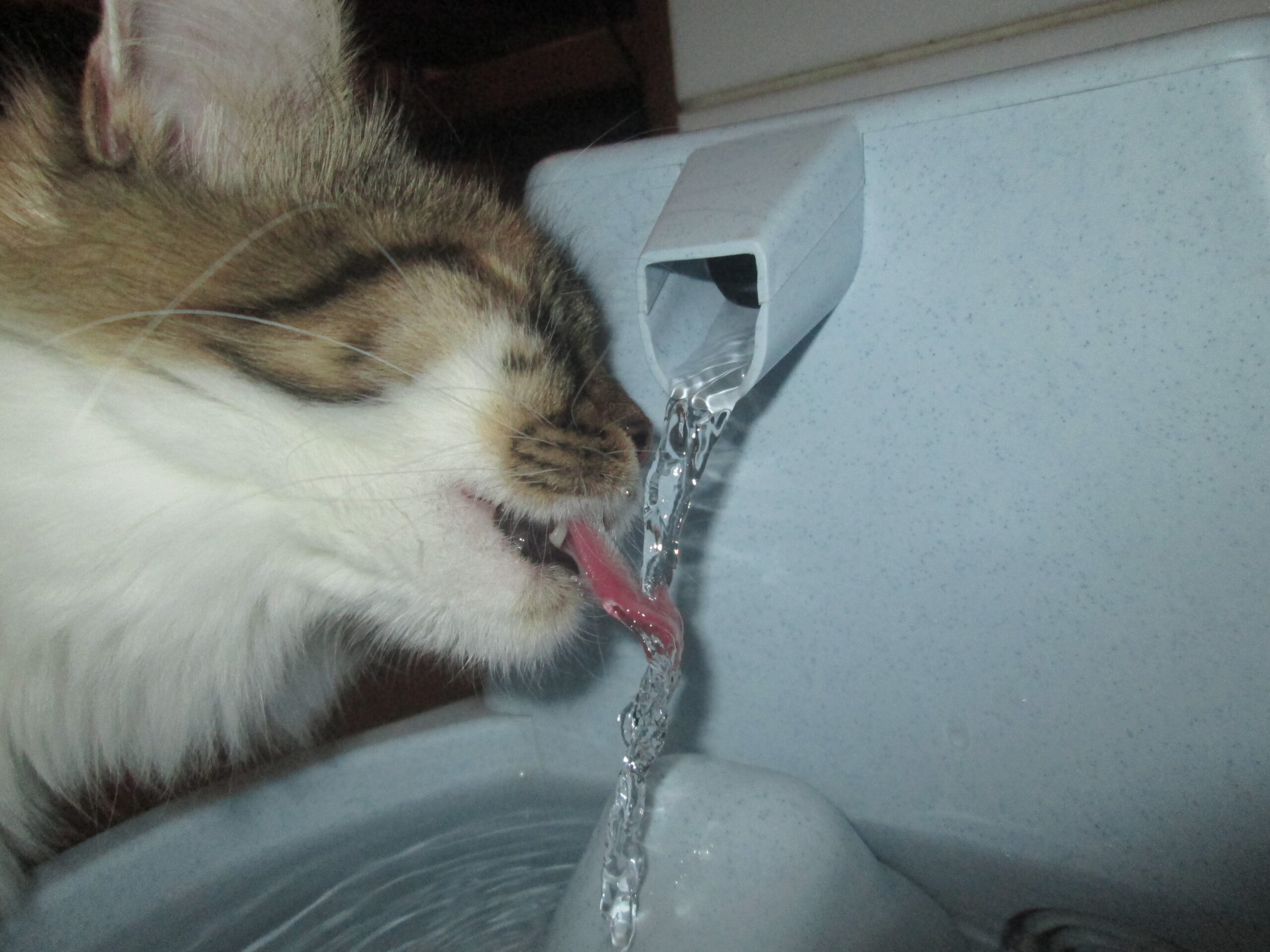
A cat water fountain can help some indoor cats drink more, but it is not magic. The biggest hydration lever is still the total water your cat gets from food and drinking combined. For many cats, wet food matters more than the bowl style. A fountain becomes useful when it makes water cleaner, more interesting, and easier to access without adding noise, slime, or cleaning work that owners eventually ignore.
Start with the real problem: daily water intake
Cornell Feline Health Center explains that cats eating wet food may drink less from a bowl because wet food can contain a lot of water. Cats eating dry food usually need to drink more. That means two cats can look very different: one may barely visit the bowl but still get moisture from meals, while another may eat only kibble and depend heavily on drinking water.
If you are worried about hydration, look at the whole routine: food type, number of water stations, bowl location, litter box habits, urine clump size, and whether your cat avoids the water area. Do not judge only by how often you see your cat drinking.
When a fountain is a good idea
A fountain is worth trying if your cat likes running water, paws at the bowl, waits near the sink, drinks from cups, or ignores a still bowl that is placed near food or litter. Flowing water can be more noticeable, and a good fountain keeps water moving through a filter. It may also help owners notice when water needs refilling because the device becomes part of the daily routine.
The best fountain is not the fanciest one. It is the one you will actually clean. Stainless steel and ceramic models can be easier to keep fresh than plastic for some households. A simple design with removable parts usually beats a complicated design that traps hair and residue.
When a bowl may be better
A bowl may be better if your cat is scared of motor noise, if you travel often, or if you know you will not clean a fountain regularly. A dirty fountain is worse than a clean bowl. Some cats also dislike narrow fountains that touch their whiskers or splash water onto the floor.
If you stay with bowls, use more than one. Put water in quiet areas away from the litter box and away from heavy foot traffic. Wide, shallow bowls are often easier for cats that dislike whisker contact. Refresh water daily and wash the bowl often, not just when it looks dirty.
What to check before buying a cat fountain
- Can you take it apart quickly without tools?
- Are replacement filters easy to find and reasonably priced?
- Is the pump quiet enough for the room where your cat relaxes?
- Does the drinking surface stay wide and low?
- Will the material resist scratches and odor buildup?
- Can you see the water level before it gets too low?
Signs the setup is not working
If your cat sniffs the fountain and walks away for several days, move it to a quieter location before giving up. If the pump hums, splashes, or vibrates against the floor, place it on a mat and check the water level. If your cat drinks less, hides, strains in the litter box, urinates outside the box, cries while urinating, or produces very small urine clumps, treat that as a health concern rather than a product problem.
For cats with urinary history, hydration is only one part of the plan. Cornell’s urinary tract guidance discusses diet, water access, stress reduction, and veterinary care. A fountain can support a routine, but it cannot replace diagnosis or treatment.
A practical buying answer
Buy a cat water fountain if your cat clearly prefers moving water and you are willing to clean it. Stick with bowls if your cat already drinks well, eats wet food, or gets stressed by sound and motion. If hydration is the goal, consider adding wet food or extra water stations before assuming the fountain alone will solve it.
Related reading
- Wet vs dry cat food for indoor cats
- Best cat food for picky cats without wasting money
- Tiki Cat vs Weruva
- Pet food review hub