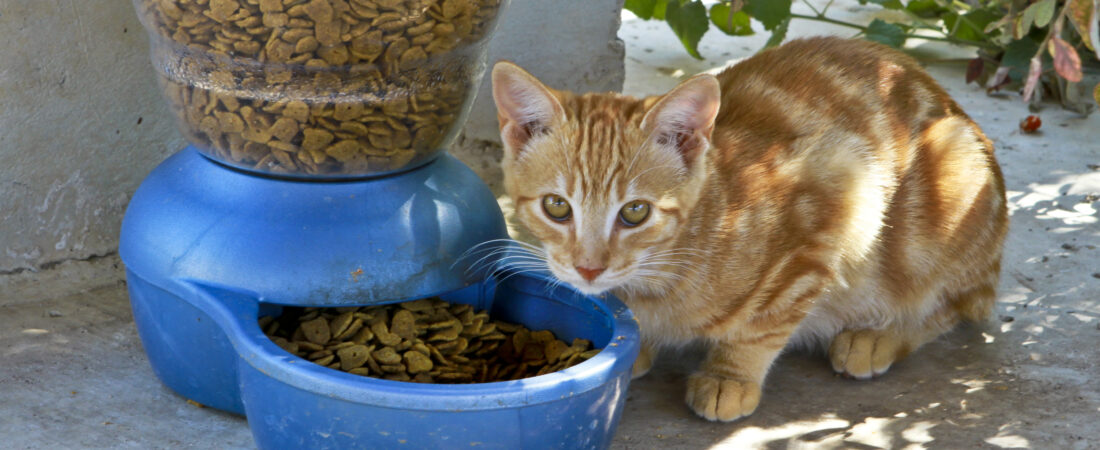
Short answer: most indoor cats can do well on wet food, dry food, or a mixed routine, as long as the food is complete and balanced for the cat’s life stage. The better question is not “wet vs dry cat food, which is best?” It is “which daily routine keeps my cat hydrated, at a healthy weight, willing to eat, and easy for me to maintain?”
Public cat-food discussions keep circling back to the same problem. Owners want the benefits of wet food, but dry food is cheaper, easier to store, and easier to use with timed feeders. Some cats refuse wet food. For indoor cats, the decision matters because weight gain and low water intake can be easy to miss.
What to check before choosing wet or dry food
Start with the nutritional adequacy statement. FDA and AAFCO both explain that pet food should be labeled for the correct species and life stage, and a complete-and-balanced statement tells you the product is intended to work as a main diet. This matters because wet food, dry food, toppers, broths, and treats do not all do the same job.
| Buyer question | Wet food usually helps with | Dry food usually helps with |
|---|---|---|
| My indoor cat does not drink much. | More moisture in the daily diet. | Not the strongest choice for moisture unless water intake is managed separately. |
| I need affordable daily feeding. | Can become expensive, especially with multiple cats. | Usually cheaper per serving and easier to buy in larger bags. |
| My cat is picky about texture. | More texture choices: pate, mousse, shreds, chunks, gravy. | More consistent texture, which some picky cats prefer. |
| I work long hours. | Less convenient once opened and not ideal sitting out for long periods. | Works better with automatic feeders and measured portions. |
| My cat is gaining weight. | Can help some cats feel satisfied, but calories still matter. | Easy to overpour unless measured carefully. |
Wet food is not automatically better if your cat wastes it
Cornell Feline Health Center notes that dry food is much lower in moisture than canned food. That is why many owners add wet food. But a wet-food plan only works if your cat eats it and you can afford to keep buying it.
If your indoor cat refuses wet food, do not buy a full case first. Test small portions across different textures. Pate, mousse, minced food, shreds, and chunks can feel like completely different products to a cat. If your cat still rejects wet food, a complete dry food plus a better water routine may be more realistic than constant food switching.
Dry food is not “bad” just because it is convenient
Dry cat food has real advantages: it is affordable, shelf-stable, easy to portion, and works well for timed feeders. The problem is usually not that dry food exists. The problem is free-feeding without measuring, ignoring water intake, or using dry food as the only plan for a cat with a health condition.
For indoor cats, measure the daily amount instead of filling the bowl by habit. Check calories per cup, not only the serving suggestion on the bag. If you also feed wet food, reduce the dry portion so you are not accidentally feeding two full meals.
A mixed routine is often the most practical answer
Many owners land on mixed feeding because it solves more real-life problems than a pure wet-food or pure dry-food rule. A typical routine might be wet food in the morning and evening, with a measured dry portion for a timed feeder.
The key is consistency. If you change wet flavors, add toppers, switch kibble, and change meal times all at once, it becomes hard to know what your cat actually tolerates.
When wet food deserves priority
Wet food may deserve more attention if your cat has low water intake, strong preference for soft food, or a history where your veterinarian wants more moisture in the diet. For some picky cats, a wet texture is the difference between eating well and walking away.
Still, health conditions should not be handled by Reddit advice or blog posts alone. Urinary issues, kidney disease, diabetes, chronic vomiting, diarrhea, weight loss, dental pain, or sudden food refusal should involve a vet.
When dry food may be the better daily base
Dry food may be the better daily base when you need predictable cost, use an automatic feeder, have a cat that refuses wet food, or need a backup food that is easy to store.
If dry food is your main routine, make water easier to access. Use fresh bowls in multiple locations, consider a fountain if your cat likes moving water, and watch litter box changes.
A simple buying plan
- Pick only foods labeled complete and balanced for your cat’s life stage.
- Decide whether moisture, budget, convenience, or texture is the main problem.
- Test wet food in small quantities before buying a case.
- Measure dry food instead of free-pouring.
- If mixing wet and dry, calculate total daily calories.
- Keep one reliable backup food your cat will eat.
- Ask a veterinarian before changing diets for a cat with medical symptoms.
Bottom line
For most indoor cats, wet vs dry cat food is not a moral choice. It is a routine choice. Wet food is useful for moisture and texture variety. Dry food is useful for cost, storage, and scheduling. Mixed feeding often gives owners the best balance, especially when the plan is measured and consistent.
If your cat eats the food, the label fits the life stage, the budget is sustainable, and weight and litter box habits look normal, you are already doing better than chasing every food argument online.
Related reading
- Best Cat Food for Picky Cats: How to Choose Without Wasting Money
- Pet Food Reddit Reviews: Consumer Decision Hub
- Tiki Cat vs Weruva
- Best Tiki Cat Alternatives
