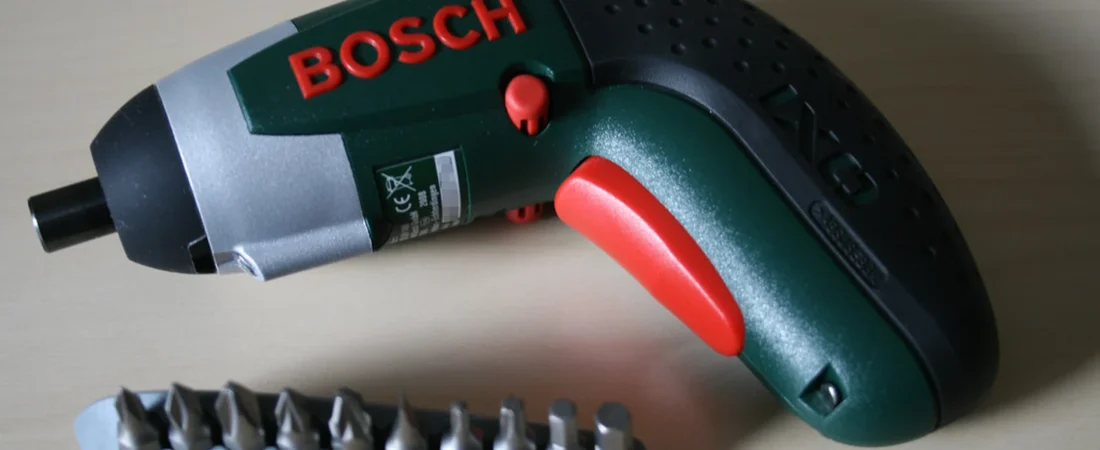
An electric screwdriver is not a smaller cordless drill and not a universal replacement for a hand tool. Its value depends on repetition. Removing 100 low-torque electronics screws is a different job from tightening one wall-plate screw or driving a structural fastener.
A public r/Tools discussion captured the split. Several people said a compact electric driver sat unused because normal household jobs were too rare or required more torque. Others considered it invaluable for computers, point-of-sale equipment, and repetitive bench work. That is the clearest buying rule: task frequency and fastener type matter more than the novelty of the tool.
Quick answer
Buy an electric screwdriver when you regularly remove and replace many small screws, want to reduce repetitive wrist movement, and can accept limited torque. Keep a manual screwdriver for loosening stuck fasteners, starting delicate threads, applying final torque, and working when the battery is empty.
For furniture assembly and general DIY, a compact drill/driver with an adjustable clutch may be more versatile than a precision electric screwdriver. The correct tool depends on the screw size, material, access, and torque requirement.
| Decision point | Electric screwdriver | Manual screwdriver |
|---|---|---|
| Speed | Fast on repeated screws | Slow but controlled |
| Torque | Usually limited; varies by model | User controls force directly |
| Precision | Good when speed is low and torque is limited | Excellent tactile feedback |
| Fatigue | Reduces repeated turning | Requires hand and wrist movement |
| Power | Battery and charger required | Always ready |
| Size | Motor and battery add bulk | Slim tools fit more locations |
| Durability | Battery and electronics can age | A quality hand tool can last for years |
| Best use | Electronics, appliances, flat-pack assembly, service work | Stuck screws, final tightening, occasional repair |
Identify the class of tool
The phrase electric screwdriver covers several products:
- pen-shaped precision drivers using small bits;
- pistol-grip or folding household drivers using quarter-inch hex bits;
- compact drill/drivers with an adjustable chuck and clutch;
- impact drivers designed for higher-force fastening.
They are not interchangeable. A precision driver intended for laptops may stall on furniture hardware. A drill can damage electronics or strip a small screw if speed and torque are not controlled. Read the intended-use section, bit standard, speed, and torque specification instead of relying on the product name.
When electric saves meaningful time
An electric driver earns its space when the task has many similar fasteners. Examples include:
- opening and closing computer cases;
- replacing drives across multiple machines;
- servicing small appliances;
- assembling cabinets or shelving with predrilled hardware;
- repetitive hobby or light production work;
- removing long screws after they have been loosened manually.
The motor performs the repetitive rotation. That can reduce fatigue and time, but it does not remove the need to align the bit, support the work, and feel when the threads engage.
When a manual screwdriver is safer and faster
Manual control is valuable when the fastener is stuck, corroded, cross-threaded, very small, or entering a fragile material. The user can increase force gradually and stop immediately. There is no trigger delay, battery, charging cable, or proprietary bit holder.
Manual tools are also better for a rarely performed five-minute job. Buying another rechargeable device creates storage and battery-maintenance work that may outweigh the time saved.
Torque and control matter more than maximum speed
High torque is not automatically desirable. A small screw can strip, a plastic boss can crack, or a thread can be cross-started before the user reacts. Look for:
- more than one speed;
- a low-speed start;
- an adjustable clutch or torque setting where appropriate;
- a predictable stop;
- a manual lock that allows the tool to be turned by hand;
- forward and reverse controls that are easy to distinguish;
- a trigger that can be feathered rather than only on or off.
A useful workflow is to start the first threads by hand, use low powered rotation for the middle of the travel, and finish to the required torque with the proper control method. Follow the product or equipment manufacturer's torque instructions when they exist.
Bit compatibility can decide the purchase
Precision drivers may use 4 mm bits, while household drivers often use quarter-inch hex bits. Some sets include many unusual shapes but use soft metal that wears quickly. Check:
- the fasteners actually owned;
- bit standard and replacement availability;
- bit retention and wobble;
- reach into recessed holes;
- security bit needs;
- magnetic behavior around sensitive work;
- whether standard bits can be purchased separately.
A large bit count is not valuable when the two common bits fit poorly.
Battery and storage questions
Compact drivers often use a sealed lithium-ion battery. Ask whether the battery is replaceable, how charge status is shown, whether the tool works while charging, and whether a standard USB-C input follows a common charging profile. USB-C shape alone does not guarantee compatibility with every charger.
For a tool used only a few times a year, periodically check the battery according to the manual. Do not store damaged or swollen batteries. Keep the driver and bits dry, protected, and away from children.
Safety and task limits
Use the correct personal protective equipment and follow the tool and workpiece instructions. Disconnect and verify electrical equipment before service. Do not use a normal metal screwdriver on live circuits. Avoid loose clothing near rotating tools, secure the work, and stop when a bit slips repeatedly.
An electric screwdriver is not the correct product for drilling masonry, installing anchors without a pilot hole, or driving structural screws unless the manufacturer explicitly rates the tool for that task.
Buying checklist
- List the normal screw sizes and task frequency.
- Choose precision, household, or drill/driver class deliberately.
- Check torque range, speed control, and manual lock.
- Confirm bit standard and replacement availability.
- Test grip direction controls with either hand.
- Check light placement without assuming an LED reaches the screw.
- Verify battery, charger, and warranty terms.
- Compare tool plus quality bits with a manual set.
- Keep a manual screwdriver for starting and final control.
Final recommendation
For electronics technicians, hobbyists, and anyone handling dozens of low-torque fasteners, an electric screwdriver can be a genuine labor-saving tool. For occasional household repairs, a quality manual set may be cheaper, stronger, and more dependable. If the work includes both drilling and fastening, compare a compact drill/driver rather than expecting a pen driver to cover every job.
Related Buyer Voice Lab guides
Sources and research scope
- Public r/Tools discussion about whether electric screwdrivers are worth buying. Reddit displayed 94 comments; 10 visible comment elements were reviewed.
- OSHA: Hand and Power Tools
- U.S. Consumer Product Safety Commission: Hand and Power Tools Safety Guide
Featured image: “Bosch IXO III Screwdriver” by William Hook, licensed under CC BY-SA 2.0. Original source. Cropped to 16:9.