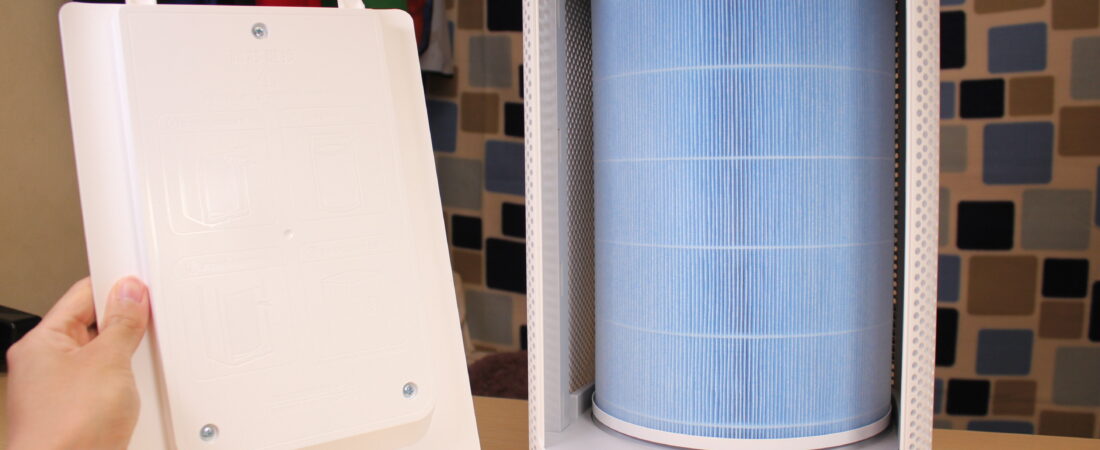
Pet owners often see two filter claims on air purifier pages: HEPA and activated carbon. Both can matter, but they do different jobs. If you buy only for one phrase, you may end up disappointed.
For pet dander and dust, particle filtration is the priority. For dog smell, litter box odor, and general pet odor, carbon becomes more important. The best choice depends on what is actually bothering you in the room. This is why terms like air purifier for pet dander, air purifier for pet hair, and best air purifier for pet odor should not all lead to the same advice.
Quick Answer
Choose HEPA or strong particle filtration if your main problem is pet dander, dust, hair-related particles, or litter dust. Choose a purifier with a meaningful activated carbon filter if your main problem is odor. For most pet homes, the best setup is both: a particle filter plus enough carbon to handle smells.
Best Air Purifier For Pets And Dust: Match The Filter To The Problem
If you are comparing the best air purifier for pets and dust, start by separating particles from smell. Dander, dust, and some litter particles need strong particle filtration and enough airflow. Wet dog smell, litter odor, and stale pet bedding need activated carbon and better cleaning at the source. A purifier that handles only one side may still leave the room feeling wrong.
For homes with both shedding and odor, a pre-filter, particle filter, and meaningful carbon filter are more useful than a single headline claim.
What HEPA Does In A Pet Home
HEPA filters are designed for airborne particles. In a pet home, that can include dander, dust, pollen carried in on fur, and small particles that become airborne when pets move around.
HEPA does not make a pet hypoallergenic, and it does not remove allergens from every sofa, blanket, rug, and bed. It only filters air that passes through the purifier. That is why vacuuming, washing fabrics, and grooming still matter.
HEPA is most useful when:
- You see dust around pet areas
- You have cats or dogs that shed
- Litter dust is part of the problem
- You want fewer airborne particles in a bedroom or office
- You can keep the purifier running consistently
What Carbon Does In A Pet Home
Activated carbon is used for some gases and odors. It is the part of the filter system that matters when the room smells like wet dog, stale bedding, litter, or old accidents.
Not all carbon filters are equal. A thin carbon layer can be used up quickly. A thicker carbon filter usually has more odor capacity, but it also costs more to replace.
Carbon is most useful when:
- The room smells even after vacuuming
- The litter box area has lingering odor
- Dog beds or crates make one room smell stale
- You live in a small apartment with limited airflow
- You are willing to replace filters on schedule
Why One Filter Is Usually Not Enough
Pet air problems are mixed. A cat litter area can produce dust and odor. A dog bed can hold hair, dander, and smell. A purifier that handles only particles may not fix odor. A purifier with carbon but weak airflow may not clean dust well.
If you are comparing models, look at the whole filter system:
- Pre-filter for hair and larger dust
- Particle filter for fine dust and dander
- Activated carbon for smell
- Replacement filter cost
- Room size and airflow
- Noise level on the setting you will actually use
Do You Need A Pre-Filter?
For pet homes, a pre-filter is more important than many buyers realize. Hair and larger dust can load the outer filter quickly. A washable or easy-to-clean pre-filter can help protect the main filter and make maintenance less annoying.
If you have a heavy-shedding dog or multiple cats, check whether the pre-filter is easy to remove. If cleaning it feels awkward, you may not do it often enough.
Filter Replacement Is Part Of The Cost
Pet homes can use filters faster than cleaner rooms. Hair, dust, litter dust, and odor can all shorten the useful life of the filter system. The machine price is only the first cost.
Before buying, check:
- How much replacement filters cost
- Whether carbon and HEPA are replaced together or separately
- Whether third-party filters are reliable
- Whether the filter is often out of stock
- Whether the machine has a real filter-life indicator or just a timer
A cheap purifier with expensive filters may not stay cheap for long.
What About Ionizers And Ozone?
Some air purifiers include ionizer, plasma, or ozone-related features. For pet homes, be cautious. EPA guidance warns that ozone can be harmful indoors and that ozone generators should not be relied on as air cleaners in occupied spaces.
If a product emphasizes ozone for odor, skip it. Pet homes need cleaner air, not another irritant.
How To Choose Based On Your Main Problem
| Problem | Most relevant feature | What else to check |
|---|---|---|
| Pet dander | HEPA or strong particle filtration | Room size, continuous use, vacuuming |
| Dog smell | Activated carbon | Wash bedding, clean soft surfaces |
| Cat litter dust | Particle filter and pre-filter | Lower-dust litter, gentle pouring |
| Litter box odor | Activated carbon | Scooping routine, box cleaning, placement |
| Hair around the room | Pre-filter | Vacuuming and grooming |
Simple Buying Checklist
- Do I need help with particles, odor, or both?
- Is the carbon filter substantial enough for smell?
- Is the pre-filter easy to clean?
- Can the purifier handle the actual room size?
- Can I afford filters for a full year?
- Will it be quiet enough to run daily?
- Does the product avoid ozone as an odor solution?
For cat litter dust specifically, read do air purifiers remove cat litter dust?. For a broader buyer checklist, see what to check before buying an air purifier for pets.
Bottom Line
HEPA and carbon are not competitors. They solve different pet-home problems. HEPA helps with dander and dust. Carbon helps with smell. If your home has both, look for a purifier that does both well, then support it with cleaning, bedding care, litter maintenance, and smart placement.
For a wider buying guide, read what to check before buying an air purifier for pets. For odor specifically, see do air purifiers help with pet odor?.
Sources
- EPA: Air Cleaners and Air Filters in the Home
- EPA: Guide to Air Cleaners in the Home
- Mayo Clinic: Pet allergy symptoms and causes
Related BuyerVoiceLab reading
- More practical buying guides and product checklists
- How BuyerVoiceLab turns public buyer questions into research briefs
- Contact BuyerVoiceLab if you need a product-specific question map for pet air purifiers.
Frequently Asked Questions
Do air purifiers remove pet odor?
They can help when the unit has enough activated carbon and is sized for the room, but they do not replace cleaning, litter maintenance, or ventilation.
Is HEPA enough for pet smell?
No. HEPA targets particles such as dander and dust. Odor control usually needs activated carbon.
Where should I place an air purifier for pet problems?
Place it near the problem area but not so close that airflow blows dust or litter around. Keep intake and outlet space clear.
Source note: For health and safety topics around indoor air, start with public guidance from the U.S. EPA indoor air quality resources. Avoid ozone-generating products unless you fully understand the risks.