A backup breast pump has a different job from a primary pump. It may need to work during a power outage, a commute, a forgotten-charger day, a delayed flight, or a short session away from home. That changes the buying decision. The fastest or most advanced pump is not automatically the most useful backup.
Public Reddit discussions illustrate how individual this decision can be. One parent described a manual pump as unexpectedly fast and convenient, while others in the same discussion preferred an electric or wearable model. A separate buying thread included both positive electric-pump experiences and reports that manual pumping felt uncomfortable. These are real use cases, but they do not predict another person's milk output, comfort, or feeding plan.
Quick answer
A manual pump is often the more dependable emergency backup because it is compact, inexpensive, quiet, and does not need a battery or outlet. It can also allow direct control over rhythm and pressure.
An electric pump may be the better second pump when sessions are frequent, both breasts need to be pumped efficiently, hand fatigue is a concern, or the user already knows that a particular motor and flange setup works well.
| Decision point | Manual pump | Electric pump |
|---|---|---|
| Power | No outlet, charger, or battery | Requires power, charging, or replaceable batteries |
| Portability | Small and easy to pack | More parts and cables; wearable models are compact but still need charging |
| Control | User controls rhythm and pressure by hand | Programmed cycles and suction settings |
| Repetitive effort | Requires hand movement | Motor performs the pumping cycle |
| Double pumping | Usually one side at a time | Many models pump both sides simultaneously |
| Noise | Very quiet | Motor noise varies |
| Price | Usually lower | Broad price range |
| Backup reliability | Mechanically simple | More dependent on battery, tubing, valves, and electronics |
Start with the situation, not the pump category
Define the backup failure you are trying to prevent.
- If the main risk is a dead battery, another rechargeable wearable may repeat the same failure.
- If the main risk is forgetting one small valve, a complete second kit may matter more than a second motor.
- If the pump stays at work, a second compatible electric pump may remove daily carrying.
- If it lives in a handbag for rare use, a manual model may be easier to keep ready.
- If hand pain or limited dexterity is a concern, manual operation may be unsuitable despite its simplicity.
The right backup should be usable under the exact conditions that make the primary pump unavailable.
Comfort and milk removal are personal
Reddit experiences varied widely even within the same thread. That is a warning against universal output claims. Pump response can be affected by flange fit, suction level, cycle pattern, valve condition, session timing, stress, and individual physiology.
A pump that produces a large volume for one person is not proven to be more effective for another. More suction is not automatically better and should not be used through pain. If pumping is painful, causes injury, or is not meeting feeding needs, contact a qualified healthcare or lactation professional.
Before buying a backup, confirm that the correct flange or insert size is available for that model. A compact pump is not useful if its only included flange does not fit. Also check whether bottles, connectors, valves, and membranes are compatible with parts already in the routine.
Manual pumps: where they make sense
Manual pumps are strongest when the buyer values:
- independence from power;
- a small kit for a car, office, or travel bag;
- quiet operation;
- short or occasional sessions;
- direct control over the pumping rhythm;
- a lower-cost emergency option.
The trade-offs include one-sided pumping, hand fatigue, a learning curve, and the need to maintain a consistent rhythm. Bottle capacity can also matter. A small collection bottle may need to be changed during a session, and brand compatibility should be verified rather than assumed.
Electric pumps: where a second one may be better
A second electric pump can make sense when pumping is frequent enough that time and hand effort matter every day. Double pumping, known settings, and familiarity with the same parts can reduce setup decisions. Leaving a compatible unit at work may be more valuable than carrying a premium bag and motor back and forth.
Check how the backup receives power. A wall-only model does not solve a power-outage or travel problem unless another approved power source is available. A battery model still needs a charging routine. If the pump uses an external power bank, verify compatibility in the manufacturer's instructions; do not guess from connector shape alone.
Hygiene and shared-pump questions
The FDA distinguishes pumps intended for one user from models designed and labeled for multiple users. A closed-looking design is not permission to buy or borrow a used single-user pump. Follow the device labeling and FDA guidance.
Every backup kit also needs a cleaning plan. A pump kept in a car, desk, or travel bag can collect dust or be exposed to temperature extremes. Store clean, completely dry parts in a protected container, inspect them before use, and follow current CDC and manufacturer cleaning instructions. Replace damaged tubing, valves, membranes, or seals as directed.
Backup kit checklist
- Pump body or motor
- Correct flange or inserts
- Connector, valve, membrane, and tubing where required
- Compatible collection bottle and cap
- Charging cable, approved adapter, or fresh batteries for electric models
- Clean storage container for dry parts
- Separate leak-resistant container for used parts
- Milk labels and storage containers
- Insulated cooler and frozen cold source when the situation requires temperature control
- Current cleaning and milk-storage instructions saved offline
- Contact information for the pump manufacturer and a healthcare or lactation professional
Buying checklist
- Decide whether the backup is for emergencies or daily work.
- Test flange fit and comfort before relying on it away from home.
- Perform a complete practice session, including assembly and cleaning.
- Confirm bottle and replacement-part availability.
- Check the power plan under real travel or workplace conditions.
- Keep the kit clean, dry, and periodically inspected.
- Do not compare output claims across people as though they were specifications.
Final recommendation
For a rarely used emergency backup, a manual pump is usually the simplest product to keep ready. For frequent workplace sessions, a second compatible electric pump may save more time and reduce repetitive hand effort. The best answer depends on fit, comfort, frequency, and what can realistically fail in the existing routine.
Related Buyer Voice Lab guides
Sources and research scope
- Public r/pregnant manual-versus-electric buying question. Five of eight visible comment elements were reviewed.
- Public r/breastfeeding manual-pump discussion. Reddit displayed 108 comments; 18 visible comment elements were reviewed.
- U.S. Food and Drug Administration: Breast Pumps
- CDC: About Breast Pump Hygiene
This article provides general buying information, not medical or lactation advice.
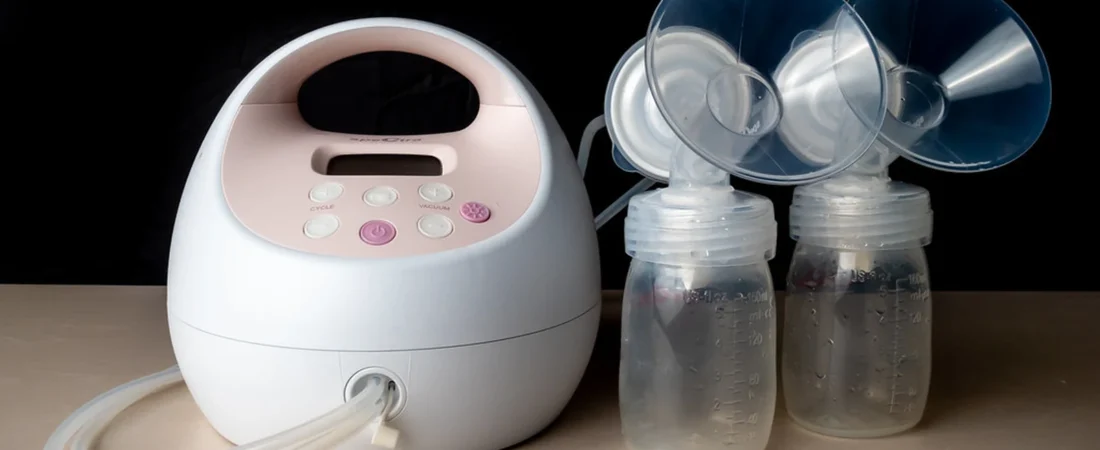
Featured image: “Breast Pump” by ajay_suresh, licensed under CC BY 2.0. Original source. Cropped to 16:9.