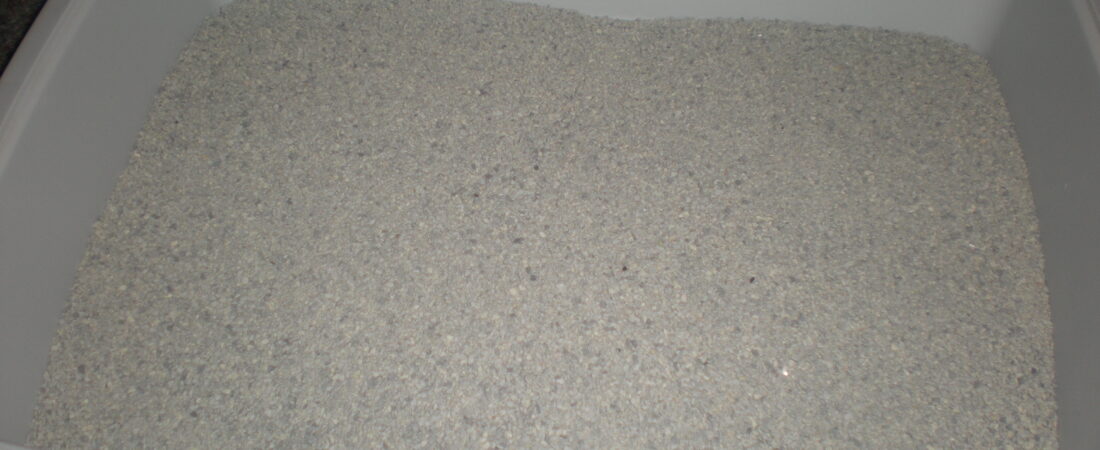
A litter box can create two separate air problems: dust and smell. Dust can move when your cat digs or when you pour fresh litter. Smell usually comes from the box itself, used litter, waste, and air that sits around the area too long.
An air purifier can help, but placement matters. Put it too far away and it may not capture much from the litter area. Put it too close and it may clog faster, blow air into loose litter, or become one more object your cat avoids. This is why searches like air purifier for cat litter dust and best air purifier for cat litter dust should be answered with placement and filter guidance, not only a product list.
Quick Answer
Place the air purifier in the same room as the litter box, a few feet away from the box, with clear space around the intake and outlet. Do not point strong airflow directly into loose litter. For litter dust, particle filtration matters. For litter smell, activated carbon matters.
The purifier should support the cleaning routine, not replace it.
Do Not Put It Directly Against The Box
It sounds logical to place the purifier right beside the litter box, but closer is not always better. If the intake is too close to the litter, it can pull in heavy dust and clog the pre-filter quickly. If the outlet blows toward the box, it may push dust or odor outward.
A better starting point is a few feet away, in the same room, with the purifier facing open air. Watch how your cat behaves. If your cat avoids the area after the machine is moved, adjust the distance or fan speed.
Airflow Beats Corner Hiding
Many litter boxes are hidden in corners, laundry rooms, bathrooms, closets, or behind furniture. That may help visually, but it can make air circulation worse.
A purifier works by moving room air through a filter. If it is trapped behind a door, blocked by furniture, or squeezed into a corner, it cannot process the room well.
Avoid placing the purifier:
- Inside a closed cabinet
- Behind the litter box
- Under a table with poor clearance
- Directly against a wall if the intake needs rear space
- Where litter can fall into vents
- Where a cat can knock it over during digging or jumping
Use Low Or Medium Fan Speed First
High fan speed may move more air, but near a litter box it can also stir dust. Start with low or medium and see whether the room smells fresher after a day or two. If dust still settles around the area, your litter type and scooping routine may matter more than fan speed.
If the purifier has an auto mode, remember that odor may not always trigger particle sensors. A room can smell bad even when the particle reading looks normal.
Best Air Purifier For Cat Litter Dust: Placement Still Matters
If your main issue is dusty litter, do not judge an air purifier only by price or room size. The best air purifier for cat litter dust should have strong particle filtration, an accessible pre-filter, and enough airflow for the room where the litter box actually sits. But even a good purifier will struggle if it is blocked by furniture, placed inside a closed closet, or aimed directly into loose litter.
For smell, look beyond the particle filter. Litter box odor needs activated carbon and source control: scooping, full litter changes, washing the box, and room ventilation.
HEPA For Dust, Carbon For Smell
Cat litter dust and litter odor are not the same problem.
For dust, you want good particle filtration and a washable or replaceable pre-filter. Litter dust can load the outer filter quickly, so easy maintenance matters.
For smell, you want activated carbon. A thin carbon sheet may help a little, but a heavier carbon filter usually gives better odor capacity. If the room smells better after replacing the carbon filter, the old one was probably saturated.
Keep The Box Clean First
If the box is dirty, the purifier has to clean the same problem all day. Air purification works best after the main source is controlled.
Before blaming the purifier, check:
- How often the box is scooped
- Whether old litter needs a full replacement
- Whether the box itself has absorbed odor
- Whether the mat around the box needs washing
- Whether the room has poor ventilation
- Whether the litter is especially dusty
A purifier can make the room easier to live with, but it cannot make old litter fresh.
Covered Litter Boxes Change The Problem
Covered boxes can hide the smell from people for a while, but they may trap odor inside for the cat. Some cats tolerate them; others avoid them. If your cat stops using the box, odor control has created a larger problem.
If you use a covered box, do not assume the purifier can reach air inside it. It will mostly clean the room air around the box, not the trapped air inside the cover.
Small Bathrooms And Laundry Rooms
Small rooms can be easier to clean with a purifier, but they also have practical problems. Bathrooms can be humid. Laundry rooms may have lint, detergent smells, and limited floor space. A purifier placed too close to a shower, sink, or washer may not be ideal.
Check the product manual for moisture and clearance guidance. Do not place a purifier where water can splash into it.
What To Watch After Setup
After placing the purifier, watch for three things:
- Does the room smell better after normal scooping?
- Is dust collecting quickly on the pre-filter?
- Does your cat still use the box comfortably?
If the purifier helps smell but clogs quickly, move it slightly farther from the box and clean the pre-filter more often. If dust is still everywhere, consider a lower-dust litter and a gentler pouring routine.
Simple Placement Checklist
- Same room as the litter box
- A few feet away from loose litter
- No blocked intake or outlet
- Not blowing directly into the box
- Stable enough that a cat cannot tip it easily
- Easy to access for filter cleaning
- Quiet enough for the cat to tolerate
For a broader buyer checklist, see our air purifier for pets guide. For more articles in this cluster, browse the Pet Products category.
Bottom Line
The best place for an air purifier near a litter box is close enough to process the same room air, but not so close that it stirs litter or scares the cat. Use particle filtration for dust, carbon for odor, and cleaning for the source.
For a deeper look at dust specifically, read do air purifiers remove cat litter dust?. If you are still choosing a pet purifier, start with what to check before buying an air purifier for pets.
Sources
Related BuyerVoiceLab reading
- More practical buying guides and product checklists
- How BuyerVoiceLab turns public buyer questions into research briefs
- Contact BuyerVoiceLab if you need a product-specific question map for cat litter air purifier placement.
Frequently Asked Questions
Do air purifiers remove pet odor?
They can help when the unit has enough activated carbon and is sized for the room, but they do not replace cleaning, litter maintenance, or ventilation.
Is HEPA enough for pet smell?
No. HEPA targets particles such as dander and dust. Odor control usually needs activated carbon.
Where should I place an air purifier for pet problems?
Place it near the problem area but not so close that airflow blows dust or litter around. Keep intake and outlet space clear.
Source note: For health and safety topics around indoor air, start with public guidance from the U.S. EPA indoor air quality resources. Avoid ozone-generating products unless you fully understand the risks.