Tofu cat litter is often presented as a cleaner, lighter alternative to clay. Clay remains the familiar default because it is widely available, usually cheaper, and offered in many clumping and odor-control formulas. Neither material wins every category, and neither label tells you how a specific bag will perform in your home.
One detailed Reddit post described a cat moving from pine pellets to tofu litter and immediately using the new tray. The owner noticed less visible dust, less tracking with a mat, and better odor control during the first day. The same thread also contained an important counter-signal: several people reported cats trying to eat the plant-based pellets. Because the original report covered only a little more than one day, it is useful as a list of buyer questions, not proof of long-term performance.
Quick answer
Tofu litter may suit buyers who prioritize low weight, low visible dust, compact clumps, and easier handling. Clay may suit buyers who prioritize price, local availability, proven clumping options, and the ability to test several textures without ordering online.
The cat's acceptance matters more than the marketing category. A low-dust litter has little value if the texture, scent, or box setup causes avoidance.
| Factor | Tofu litter | Clumping clay litter |
|---|---|---|
| Base material | Usually processed soybean or other plant fiber | Usually bentonite clay |
| Weight | Often lighter per package | Usually heavier |
| Visible dust | Often marketed as low dust; performance varies | Can range from dusty to low-dust formulas |
| Clumps | Often compact and quick to form | Usually firm, but quality varies |
| Tracking | Pellet shape may reduce fine tracking; pieces can still escape | Fine granules can travel on paws and mats |
| Odor | Depends on formula, clump removal, and scent | Depends on formula, additives, and cleaning frequency |
| Price | Commonly higher | Usually more price options |
| Availability | May require online purchase | Widely stocked |
| Cat response | Some like the soft texture; some investigate or eat pellets | Familiar to many cats; texture still varies |
Dust: compare the actual bag, not the claim
Plant fiber does not automatically mean dust-free. Pellets can break during shipping, storage, pouring, and digging. Clay formulas also vary widely. Buyers should inspect the bottom of the bag, read recent reviews about batch consistency, pour slowly, and watch how much airborne material appears during normal use.
For a household concerned about respiratory irritation, fragrance, asthma, or persistent coughing, product reviews are not medical evidence. Discuss the cat's symptoms and the home environment with a veterinarian. Changing litter should not replace veterinary evaluation.
Tracking depends on particle size and box setup
Longer tofu pellets may be less likely than fine clay granules to embed in fur or spread across a room, but they can still be kicked over the edge or carried between paw pads. Broken pellets create smaller pieces. A high-sided box, adequate fill depth, a large easy-to-clean mat, and regular floor cleaning can matter as much as the material.
Before changing litter, ask:
- Does the cat dig aggressively?
- Is the box large enough for turning without throwing litter out?
- Does the cat have long fur between the paw pads?
- Will the mat capture pellets without feeling unpleasant?
- Can the mat be vacuumed and washed easily?
Clumping and odor should be tested together
A clump that breaks during scooping leaves small contaminated pieces behind. That can increase odor even when the litter contains fragrance or deodorizing additives. Test how the litter behaves with the scoop you actually use and how quickly a clump becomes stable.
Unscented does not mean odorless, and scented does not mean cleaner. Some cats dislike strong fragrance. Odor control still depends on removing waste frequently, using enough boxes, washing the tray appropriately, and addressing digestive or urinary changes with a veterinarian.
Price per bag can hide price per day
Tofu litter often looks expensive when compared by package weight. Weight is not the only useful unit because lighter materials may fill a box differently. Compare:
- usable volume per bag;
- recommended fill depth;
- how much clean litter is lost with each clump;
- how often the full box needs replacement;
- delivery cost and subscription requirements;
- whether the product is consistently in stock.
A litter that wastes less material may narrow the price gap. A premium formula that the cat rejects wastes the entire bag.
Watch for eating and other abnormal behavior
Some cats taste a new plant-based litter out of curiosity. Repeated litter eating can also be associated with behavioral or medical issues and should not be dismissed because the material sounds food-like. If a cat eats litter, vomits, becomes constipated, stops using the box, strains, or shows any sudden elimination change, remove access as appropriate and contact a veterinarian.
Do not assume that a product is safe to flush because it is labeled biodegradable. Plumbing capacity, wastewater rules, parasite concerns, package instructions, and local regulations still apply. The lowest-risk disposal method is usually to follow the manufacturer and local waste guidance rather than relying on a broad flushable claim.
How to switch litter without forcing the decision
Abruptly replacing the only familiar box can make it difficult to tell whether the cat dislikes the litter, the box, the location, or the change itself. When space allows, offer the new litter in a separate clean box near the familiar setup. Keep other variables stable and observe which box the cat chooses.
If a gradual mix is recommended by the product or veterinary guidance, change the ratio slowly. Do not punish avoidance. A cat that refuses a new texture is providing useful information.
Buying checklist
- Choose unscented or lightly scented options when fragrance sensitivity is a concern.
- Check pellet size, broken-pellet dust, and recent batch reviews.
- Confirm that the litter is compatible with the box and any automatic mechanism.
- Compare usable volume and expected replacement frequency, not only bag weight.
- Buy a small quantity before committing to a subscription.
- Keep the old litter available during the transition.
- Monitor eating, avoidance, stool, urine, and paw comfort.
- Follow package and local disposal instructions.
Final recommendation
Tofu litter is worth testing when handling weight, visible dust, and tracking are the main frustrations. Clay remains a practical choice when cost, availability, and familiar texture matter most. The sensible purchase is a small controlled trial with a backup box, not a bulk order based on one enthusiastic review.
Related Buyer Voice Lab guides
Sources and research scope
- Public r/CatAdvice discussion about an early tofu-litter trial. Reddit displayed 93 comments; 7 visible comment elements were reviewed. The original post described only a little more than one day of use.
- Cat Friendly Homes: Litter Boxes
- ASPCA: Litter Box Problems
This article is general product-selection information and not veterinary advice.
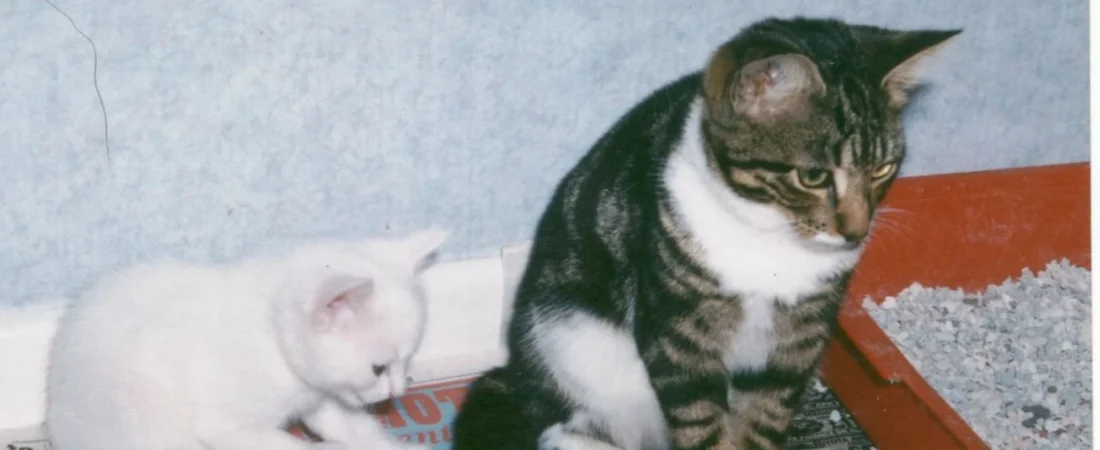
Featured image: “Queueing for the litter tray” by gravyphig, licensed under CC BY 2.0. Original source. Cropped to 16:9.